



Composite Tooth Bonding
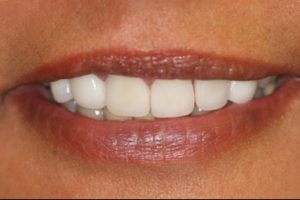 Dr. Carol Jin DDS offers tooth bonding and composite tooth bonding to San Ramon patients looking to repair small dental imperfections without the cost or prep time of veneers. Bonding uses a tooth-colored resin to correct teeth that are chipped, cracked, discolored, crooked, or gapped, and the procedure can usually be completed in a single visit.
Dr. Jin serves San Ramon families, matching the resin precisely to your natural tooth shade so the repair blends in seamlessly. If you’re weighing tooth bonding against porcelain veneers, Dr. Jin can walk you through which option fits your smile, timeline, and budget.
How Does Tooth Bonding Work?
Your tooth is prepared for the procedure by lightly etching the surface and applying a bonding liquid. Once the liquid sets, a plastic resin is applied and sculpted into the desired shape by Dr. Jin. Unlike corrections made with metal amalgams, we can match this resin to your current tooth color. This helps this tooth restoration technique blend in seamlessly with the rest of your smile. Once set, the resin is trimmed, smoothed and polished to a natural appearance.
Composite Tooth Bonding vs. Porcelain Veneers
Composite tooth bonding and porcelain veneers both improve the appearance of chipped, gapped, or discolored teeth, but they’re suited to different needs. Bonding is a same-day, minimally invasive procedure that repairs small imperfections directly on your existing tooth.
Porcelain veneers involve a thin custom shell bonded over the tooth, offer a longer-lasting result, and are better suited to larger cosmetic changes across multiple teeth.
Dr. Jin can help you decide which is the right fit during a consultation, and you can visit our Porcelain Veneers page for full details on that option.
FAQs
How much does composite tooth bonding cost in San Ramon?
Cost depends on the number of teeth and extent of repair; contact our office for a personalized quote.
Is tooth bonding better than veneers?
Neither is universally better: bonding is faster and less expensive, and works well for small repairs, while veneers last longer and handle more extensive cosmetic changes. Dr. Jin can recommend the right option based on your teeth and goals.
How long does tooth bonding last?
Composite tooth bonding typically lasts three to five years before it needs to be repaired or replaced, depending on how well it's cared for.
Does tooth bonding hurt or require anesthesia?
Tooth bonding is minimally invasive and usually doesn't require anesthesia, since the procedure only involves the surface of the tooth.
Special Tooth Bonding Considerations
The bonding procedure can often be completed in a single visit to our office and can improve the appearance of your teeth significantly. However, since the plastic resin used is not as strong as your natural tooth enamel, it is better suited to smaller areas in need of dental repairs. Bonding typically lasts three to five years before any repair is needed.
Contact Dr. Carol Jin today for an appointment and more information about whether composite tooth bonding is a good choice for you. We are pleased to offer you this safe, affordable option and answer any questions you have.